Blog

  • Major Indexes Rally as Crushes Bitcoin and Crypto Stocks Skyrocket 2026

    Major Indexes Rally as Crushes Bitcoin and Crypto Stocks Skyrocket 2026

    Bitcoin and Crypto Stocks Skyrocket

    The financial markets are experiencing a powerful resurgence as optimism sweeps across Wall Street and the broader digital asset ecosystem. A renewed surge in investor confidence has propelled major stock indexes higher while cryptocurrencies, led by Bitcoin, have recorded substantial gains. This synchronized rally across traditional and digital markets signals a pivotal moment for global finance, drawing attention from institutional investors, retail traders, and policymakers alike.

    Below is a comprehensive analysis of the forces driving this bull run, the performance of major indexes, and the explosive growth in crypto-related stocks.


    1. Wall Street Roars Back to Life

    Major U.S. stock indexes have posted strong gains, reflecting renewed investor confidence. The S&P 500, Dow Jones Industrial Average, and Nasdaq Composite have all trended upward, driven by strong earnings reports, easing inflation concerns, and optimism surrounding interest rate stability.

    Technology and growth stocks have been at the forefront of this rally. Investors are increasingly pricing in a more favorable macroeconomic environment, anticipating that central banks may slow or pause aggressive monetary tightening.


    2. Bitcoin Leads the Crypto Comeback

    At the heart of the digital asset surge is Bitcoin, which has experienced a dramatic price increase. As the largest cryptocurrency by market capitalization, Bitcoin often sets the tone for the broader crypto market.

    Institutional demand, growing ETF adoption, and increasing recognition of Bitcoin as a hedge against inflation have fueled its upward trajectory. Many investors view Bitcoin as “digital gold,” particularly during times of economic uncertainty.

    For more details on Bitcoin market data, visit CoinMarketCap and CoinDesk.


    3. Ethereum and Altcoins Join the Rally

    While Bitcoin headlines the movement, Ethereum and several major altcoins have also recorded significant gains. Ethereumโ€™s continued development, including network upgrades and expanding decentralized finance (DeFi) applications, has strengthened investor confidence.

    Other high-performing digital assets are benefiting from increased liquidity and renewed enthusiasm in the crypto ecosystem. This broad-based participation suggests a healthier and more sustainable bull cycle.


    4. Crypto Stocks Skyrocket

    Publicly traded crypto companies have mirrored the rally in digital assets. Shares of Coinbase, MicroStrategy, and Marathon Digital Holdings have surged alongside Bitcoinโ€™s price.

    MicroStrategy, known for its substantial Bitcoin holdings, often acts as a proxy for direct crypto exposure. Meanwhile, mining companies benefit directly from rising Bitcoin prices, which increase revenue potential.

    Investors looking to track crypto-related equities can explore platforms like Yahoo Finance for real-time data and analysis.


    5. Institutional Investors Fuel Momentum

    A key driver behind the bull run is institutional participation. Large asset managers and hedge funds are allocating capital into both equities and digital assets. The approval and expansion of Bitcoin exchange-traded funds (ETFs) have provided a regulated gateway for institutional investors to gain crypto exposure.

    This influx of institutional capital has increased liquidity and reduced volatility, creating a more mature and stable market environment.


    6. Economic Indicators Support Growth

    Recent economic data suggests easing inflationary pressures and a resilient labor market. Investors interpret these signals as indicators that the economy may avoid a severe recession.

    As inflation moderates, expectations grow that central banks may adopt a less aggressive stance on interest rate hikes. Lower borrowing costs typically encourage investment in higher-risk assets, including technology stocks and cryptocurrencies.

    For official economic data updates, readers can consult the U.S. Bureau of Labor Statistics and the Federal Reserve.


    7. Technology Sector Drives Broader Gains

    The technology sector remains a primary catalyst behind the stock market rally. Major tech companies have reported stronger-than-expected earnings, improved cost management, and increased AI-driven innovation.

    The correlation between tech stocks and crypto markets has strengthened over recent years. As investors gain confidence in tech growth, capital often flows into digital assets as well.


    8. Retail Investors Return to the Market

    Retail participation has also increased significantly. Online trading platforms have reported higher volumes, indicating renewed enthusiasm among individual investors.

    Social media platforms and investment communities are amplifying bullish sentiment. However, financial experts caution that volatility remains inherent in both equity and crypto markets.


    9. Regulatory Clarity Boosts Confidence

    Improved regulatory clarity has contributed to the rally. Governments and regulatory agencies are working toward clearer frameworks for cryptocurrency oversight.

    Greater transparency and compliance standards enhance investor trust and reduce uncertainty. Clearer guidelines help bridge the gap between traditional finance and decentralized digital assets.

    For regulatory updates, readers can visit the official website of the U.S. Securities and Exchange Commission.


    10. Global Markets Join the Surge

    The rally is not confined to the United States. Global markets have also experienced upward momentum, reflecting synchronized economic recovery trends.

    Cryptocurrency adoption continues expanding internationally, with growing participation from Europe, Asia, and emerging markets. The borderless nature of digital assets allows global investors to participate in the same financial ecosystem.


    11. Risks and Volatility Remain

    Despite strong momentum, risks remain present. Cryptocurrency markets are historically volatile, and rapid price increases can be followed by corrections.

    Macroeconomic shifts, unexpected regulatory developments, or geopolitical tensions could impact both traditional and digital markets. Investors are encouraged to conduct thorough research and maintain diversified portfolios.

    Risk management strategies, including asset allocation and stop-loss orders, remain essential tools during bull markets.


    12. Long-Term Outlook for Stocks and Crypto

    The convergence of traditional finance and digital assets signals a transformative period for global markets. As institutional adoption grows and regulatory clarity improves, cryptocurrencies may become further integrated into mainstream investment portfolios.

    Meanwhile, major stock indexes continue benefiting from technological innovation, economic resilience, and corporate earnings growth. Bitcoin and Crypto

    The current bull run demonstrates the interconnected nature of modern financial markets. Whether this rally sustains long term will depend on economic fundamentals, investor sentiment, and continued innovation across sectors. Bitcoin and Crypto


    Conclusion

    The powerful rally across major indexes and cryptocurrencies marks a significant chapter in financial market history. With the S&P 500, Dow Jones Industrial Average, and Nasdaq Composite climbing alongside Bitcoin and crypto-related stocks, investor optimism has returned in force. Bitcoin and Crypto

    Institutional investment, improving economic conditions, and regulatory clarity have created a supportive environment for both traditional equities and digital assets. While volatility remains an inherent characteristic of these markets, the present momentum highlights growing confidence in the future of finance. Bitcoin and Crypto

    As always, investors should stay informed, diversify their portfolios, and carefully assess their risk tolerance before making financial decisions. Bitcoin and Crypto

    FAQs

    1. Why are major indexes rising alongside Bitcoin?
    Investor optimism, easing inflation, institutional investment, and improved economic data are contributing to gains in both traditional and digital markets. Bitcoin and Crypto

    2. Are crypto stocks directly tied to Bitcoinโ€™s price?
    Many crypto-related companies, such as mining firms and exchanges, tend to benefit when Bitcoin prices rise, though they are also influenced by operational and regulatory factors. Bitcoin and Crypto

    3. Is this bull run sustainable?
    Sustainability depends on macroeconomic stability, corporate earnings performance, and regulatory developments. Markets remain subject to volatility. Bitcoin and Crypto

    4. Should investors buy during a bull run?
    Investment decisions should be based on individual financial goals, research, and risk tolerance. Consulting a licensed financial advisor is recommended. Bitcoin and Crypto

    5. What role do institutions play in this rally?
    Institutional investors add liquidity, credibility, and long-term capital to both stock and crypto markets, strengthening overall market structure. Bitcoin and Crypto
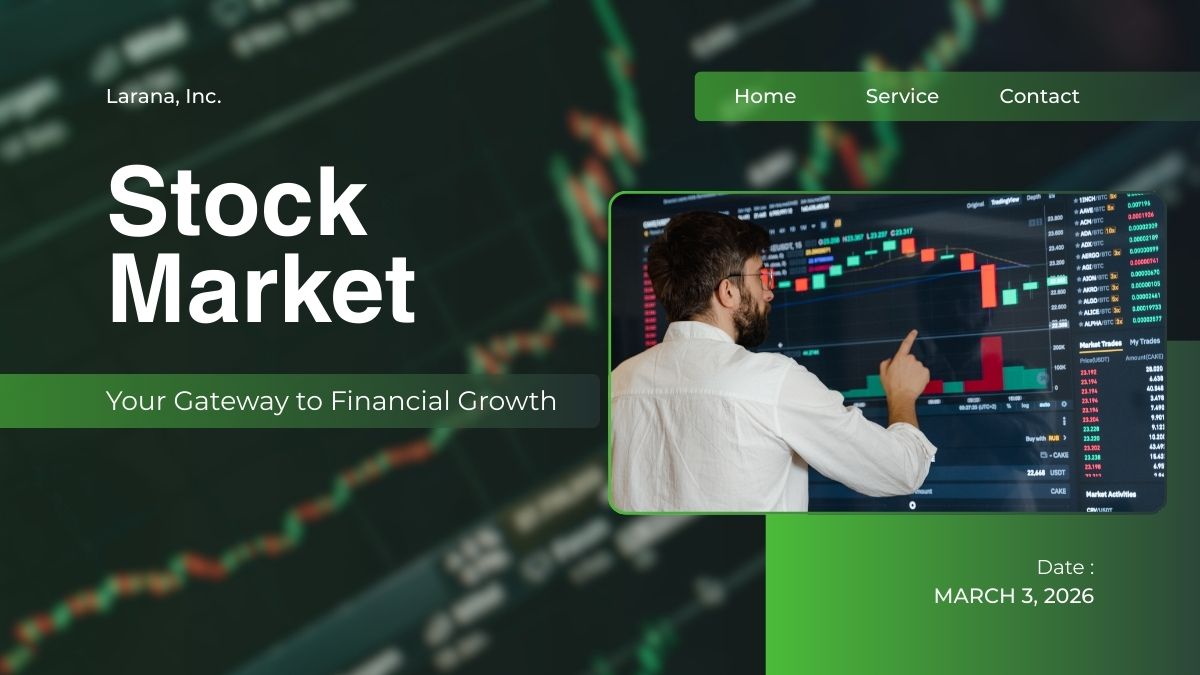

  • Stock market news March 3 2026: Stocks Pare Steep Losses as Investors Weigh Iran Conflict and Oil Surge

    Stock market news March 3 2026: Stocks Pare Steep Losses as Investors Weigh Iran Conflict and Oil Surge

    Stock market news March 3 2026

    The U.S. stock market staged a late-session rebound on March 3, 2026, trimming earlier losses as investors assessed escalating tensions involving Iran and a sharp rally in global oil prices. Markets opened under heavy pressure amid geopolitical uncertainty, but dip buyers emerged in the afternoon, helping major indexes recover from their session lows.

    Below is a comprehensive breakdown of what moved markets, how different sectors reacted, and what investors should watch next.


    2. Wall Street Recovers From Early Sell-Off

    U.S. equities fell sharply at the open, with risk sentiment dampened by headlines surrounding fresh conflict developments in the Middle East. However, by midday trading, bargain hunters stepped in, helping stabilize prices.

    The benchmark S&P 500 erased much of its early decline, while the Nasdaq Composite and the Dow Jones Industrial Average also pared losses.

    The reversal signaled that while geopolitical risks remain elevated, investors are not yet pricing in a prolonged global economic disruption.


    2. Iran Conflict Adds Fresh Uncertainty to Global Markets

    The renewed conflict involving Iran injected volatility into financial markets worldwide. Traders monitored diplomatic responses and potential economic repercussions, especially regarding energy supply routes.

    Iran plays a critical role in global oil logistics, particularly around the Strait of Hormuz. Any threat to shipping lanes can spark immediate price swings in crude oil, directly impacting inflation expectations and global growth forecasts.

    Investors are closely watching official statements from Tehran and international policymakers for clues about whether tensions will escalate further or ease through diplomatic channels.


    3. Oil Prices Surge on Supply Fears

    Crude oil futures spiked as concerns mounted over possible disruptions to production and exports. Both West Texas Intermediate and Brent Crude climbed sharply in early trading before moderating slightly.

    Energy analysts noted that even the perception of supply risk can push prices higher, especially when global inventories are already tight. Higher oil prices typically pressure transportation, manufacturing, and consumer sectors, while benefiting energy producers.

    For real-time oil updates, investors often track data from sources such as Bloomberg


    4. Energy Stocks Outperform the Broader Market

    As oil rallied, energy companies outperformed most other sectors. Major oil producers and refiners posted gains, reflecting expectations of improved revenue if crude prices remain elevated.

    The energy sectorโ€™s relative strength helped cushion broader market losses. Exchange-traded funds tracking oil and gas companies saw increased trading volumes as investors repositioned portfolios toward defensive and commodity-linked assets.


    5. Technology Stocks Show Resilience

    Despite early weakness, large-cap technology stocks recovered significantly by the close. Investors appeared reluctant to abandon growth names entirely, especially given their strong earnings momentum in recent quarters.

    The Nasdaqโ€™s rebound indicated that long-term investors continue to view tech as a core allocation, even during periods of geopolitical instability.

    Market strategists suggest that unless oil-driven inflation materially alters interest rate expectations, technology stocks may remain supported.


    6. Safe-Haven Assets Gain Attention

    Alongside oil, traditional safe-haven assets saw renewed demand. Gold prices climbed, and U.S. Treasury yields edged lower as investors sought stability.

    Periods of geopolitical conflict often drive capital into assets perceived as less volatile. While equities ultimately recovered, the rise in defensive positioning underscored lingering caution.

    For deeper insights into safe-haven strategies, investors can consult resources on Investopedia (https://www.investopedia.com/) or the Federal Reserveโ€™s research publications.


    7. Federal Reserve Policy Remains a Key Variable

    Beyond geopolitical concerns, traders are weighing how higher energy prices could influence monetary policy from the Federal Reserve.

    If oil prices remain elevated, inflation could prove more persistent, potentially affecting interest rate decisions in upcoming Federal Open Market Committee meetings.

    However, analysts caution that policymakers typically look through short-term commodity spikes unless they meaningfully impact broader inflation trends.


    8. Global Markets React to Middle East Developments

    European and Asian markets also experienced volatility, reflecting the global nature of the crisis. Energy-importing economies were particularly sensitive to oil price fluctuations.

    International investors are balancing geopolitical risk against economic fundamentals. While supply concerns are real, many economists argue that global growth remains resilient enough to absorb moderate energy price increases.

    The interconnectedness of markets means developments in one region quickly ripple across continents.


    9. Volatility Index Signals Elevated Caution

    Market volatility indicators rose sharply during morning trading before easing in the afternoon. The spike suggested heightened fear but not outright panic.

    Historically, geopolitical-driven volatility tends to be short-lived unless accompanied by broader financial instability. Investors are therefore distinguishing between temporary shocks and structural economic threats.

    Portfolio managers recommend diversification and disciplined risk management during such periods.


    10. Sector Rotation Reflects Defensive Positioning

    March 3 trading patterns revealed a shift toward defensive sectors. Utilities, consumer staples, and healthcare showed relative strength compared to cyclical industries like travel and retail.

    This rotation highlights how investors adjust allocations during uncertainty. Energyโ€™s outperformance combined with defensive buying suggests a cautious but not catastrophic outlook.

    Monitoring sector flows can provide valuable signals about broader market sentiment.


    11. What Investors Should Watch Next

    Several factors will shape market direction in the coming days:

    • Official updates from Iran and global diplomatic leaders
    • Movements in crude oil prices
    • Upcoming economic data releases
    • Statements from Federal Reserve officials

    Investors should also track developments on major exchanges such as the New York Stock Exchange and Nasdaq for signs of sustained buying or renewed selling pressure.

    Staying informed through credible financial news outlets and maintaining a long-term strategy remain critical during volatile cycles. Stock market news march 3 2026


    12. Long-Term Outlook: Temporary Shock or Prolonged Risk?

    While the March 3 session began with sharp losses, the afternoon rebound suggests markets are not yet pricing in a worst-case scenario. Historically, geopolitical events cause short-term turbulence but rarely derail long-term bull markets unless accompanied by economic recession. Stock market news march 3 2026

    If oil stabilizes and diplomatic efforts reduce tensions, equities could regain upward momentum. However, prolonged conflict or sustained energy inflation may challenge valuations and corporate profit margins.

    Investors should review asset allocation, maintain adequate liquidity, and avoid emotional decision-making during headline-driven volatility. Stock Market News March 3 2026

    For broader market analysis and portfolio strategies, readers may explore our internal resources:

    • Stock Market News March 3 2026
    • Stock Market Trends and Forecast Guide
    • How to Hedge Against Oil Price Spikes
    • Defensive Investing Strategies for 2026

    Conclusion

    The March 3, 2026 trading session demonstrated how quickly geopolitical headlines can rattle financial marketsโ€”and how rapidly sentiment can shift. Stocks pared steep losses as investors balanced fears surrounding Iranโ€™s conflict with confidence in corporate earnings and economic resilience. Stock market news march 3 2026

    Oilโ€™s surge remains the central risk factor. If energy prices continue climbing, inflation pressures could complicate monetary policy and weigh on growth-sensitive sectors. However, the marketโ€™s recovery suggests participants view the situation as manageable, at least for now. Stock market news march 3 2026

    As always, disciplined investing, diversification, and close monitoring of macroeconomic indicators are essential when navigating uncertain global conditions. Stock market news march 3 2026


    FAQs

    1. Why did stocks fall on stock market news March 3, 2026?
    Stocks initially dropped due to escalating tensions involving Iran and a sharp rise in oil prices, which raised concerns about inflation and global growth. Stock market news march 3 2026

    2. How does rising oil impact the stock market?
    Higher oil prices can increase production and transportation costs, potentially reducing corporate profits. However, energy companies often benefit from higher crude prices. Stock market news march 3 2026

    3. Did all sectors decline?
    No. Energy stocks outperformed, and defensive sectors like utilities and consumer staples showed resilience. Stock market news march 3 2026

    4. Could the Federal Reserve change interest rates because of oil prices?
    If higher oil prices lead to sustained inflation, the Federal Reserve may adjust policy. However, short-term spikes alone typically do not drive major decisions. Stock market news march 3 2026

    5. Is this a long-term threat to the market?
    It depends on how the geopolitical situation evolves. Historically, markets recover from temporary geopolitical shocks unless they trigger broader economic disruption. Stock market news march 3 2026

  • War in the Middle East: 7 Stocks to Hedge Your Portfolio

    War in the Middle East: 7 Stocks to Hedge Your Portfolio

    Understanding Market Turbulence During Middle East Conflicts

    Geopolitical war in the Middle East have long influenced global financial markets. From oil supply disruptions to defense spending surges, investors often witness heightened volatility across equities, commodities, and currencies. When conflict escalates, markets react swiftlyโ€”sometimes irrationallyโ€”before stabilizing around new economic realities.

    The Middle East remains central to global energy supply chains. Any disruption in key transit routes such as the Strait of Hormuz can send shockwaves through oil markets, pushing energy prices higher and increasing inflation concerns worldwide. In such environments, investors typically look for defensive sectors and companies that may benefit from rising commodity prices or increased government spending.

    For those seeking portfolio protection, identifying stocks that historically perform well during periods of geopolitical uncertainty can be a strategic move.


    Why Investors Seek Safe-Haven Stocks During War

    During conflict-driven uncertainty, market participants shift capital toward assets perceived as stable or counter-cyclical. Traditionally, gold, U.S. Treasury bonds, and energy stocks attract inflows. However, certain equities also serve as effective hedges.

    Investors often prioritize:

    • Energy producers
    • Defense contractors
    • Precious metals miners
    • Cybersecurity companies
    • Infrastructure and industrial firms tied to military or reconstruction efforts

    Diversifying into these sectors may reduce downside risk when broader indices experience volatility.


    Energy Sector: A Natural Beneficiary of Rising Oil Prices

    One of the most immediate impacts of Middle East conflict is a spike in oil prices. When supply risks increase, crude oil futures often surge, benefiting large integrated oil companies.

    1. ExxonMobil

    ExxonMobil is one of the worldโ€™s largest publicly traded energy companies. With diversified upstream and downstream operations, it tends to benefit from higher crude prices while maintaining strong cash flow generation.

    Investors view ExxonMobil as a defensive energy holding because of its scale, dividend reliability, and global footprint. Rising geopolitical tensions that push Brent and WTI crude higher can significantly improve its earnings outlook.

    Learn more about energy market trends from external resources such as the U.S. Energy Information Administration (EIA).


    2. Chevron Corporation

    Chevron is another integrated oil giant positioned to capitalize on oil price volatility. With disciplined capital spending and consistent shareholder returns, Chevron often attracts conservative investors during uncertain times.

    As energy security becomes a priority during global conflicts, major oil producers like Chevron may see sustained investor demand.


    Defense Stocks: Positioned for Increased Military Spending

    War and geopolitical tensions often result in increased defense budgets. Governments allocate more funding toward weapons systems, cybersecurity, surveillance, and advanced military technology.

    3. Lockheed Martin

    Lockheed Martin is a leading defense contractor known for manufacturing advanced fighter jets, missile systems, and space technologies. Heightened tensions frequently translate into new contracts and expanded production.

    Defense stocks historically demonstrate resilience during conflict, as government contracts provide predictable revenue streams even when broader markets struggle.


    4. Northrop Grumman

    Northrop Grumman specializes in aerospace systems, missile defense, and unmanned technologies. As nations enhance air defense and missile interception capabilities, companies like Northrop often benefit from long-term procurement programs.

    Defense stocks can act as portfolio stabilizers when geopolitical risk remains elevated.


    Precious Metals: Gold Mining Companies as Equity Hedges

    Gold traditionally serves as a safe-haven asset during war. While investors can buy physical gold or ETFs, gold mining companies offer leveraged exposure to rising bullion prices.

    5. Newmont Corporation

    Newmont is one of the largest gold mining companies globally. When gold prices climb due to geopolitical fears, mining margins typically expand, boosting profitability.

    For equity investors, gold miners like Newmont provide both commodity exposure and dividend income potential.

    For deeper insight into gold market movements, investors often monitor updates from the World Gold Council.


    Cybersecurity: A Modern Battlefield Investment

    Modern warfare extends beyond physical battlefields. Cyberattacks targeting infrastructure, financial systems, and government networks are increasingly common during geopolitical conflicts.

    6. Palo Alto Networks

    Palo Alto Networks provides advanced cybersecurity solutions for enterprises and governments. As global tensions rise, cybersecurity budgets frequently increase to defend against state-sponsored attacks.

    Companies operating in digital security often experience steady demand growth regardless of broader economic cycles.


    Infrastructure and Industrial Defense Exposure

    Conflict can disrupt supply chains and prompt governments to invest in domestic manufacturing and infrastructure resilience.

    7. Raytheon Technologies

    Raytheon Technologies operates across aerospace and defense systems. From missile systems to aviation components, its diversified portfolio allows it to benefit from both military and commercial demand.

    In prolonged geopolitical crises, companies tied to both defense and industrial resilience may outperform cyclical sectors.


    The Role of Oil ETFs and Commodity Exposure

    While individual stocks offer targeted exposure, some investors prefer broader commodity ETFs to hedge geopolitical risks. Energy-focused ETFs can provide diversified exposure to oil producers without company-specific risk.

    For example, the Energy Select Sector SPDR Fund tracks large U.S. energy companies and may rise when oil prices spike. Similarly, gold-backed ETFs can provide direct exposure to bullion prices.

    Diversification remains essential when incorporating these instruments into a broader investment strategy.


    Risks of Over-Concentration in War-Driven Trades

    While defense and energy stocks may perform well during conflict, overexposure can introduce concentration risk. Oil prices can reverse sharply if tensions ease. Defense budgets, though generally stable, are subject to political negotiations.

    Investors should also consider:

    • Interest rate movements
    • Inflation pressures
    • Currency fluctuations
    • Broader economic slowdown risks

    A balanced portfolio approach often delivers more consistent long-term results than aggressive sector bets.


    Building a Balanced Hedge Strategy

    To hedge effectively during Middle East conflict, investors may consider combining:

    • Energy producers
    • Defense contractors
    • Precious metals exposure
    • Cybersecurity firms
    • Dividend-paying blue chips

    Asset allocation should align with individual risk tolerance, time horizon, and financial goals. Long-term investors may choose gradual position sizing rather than reacting emotionally to headlines.

    Staying informed through reputable financial news sources such as Bloomberg, Reuters, and government energy agencies can support more rational decision-making.


    How Geopolitical Conflicts Influence Global Indices

    Major indices like the S&P 500 and Nasdaq often react sharply during the initial stages of conflict. However, historical data shows that markets frequently recover once uncertainty becomes priced in.

    Energy and defense components within these indices can offset losses in consumer discretionary or technology sectors. Understanding sector weightings helps investors anticipate broader market movement.


    Long-Term Outlook: Volatility Creates Opportunity

    While war brings uncertainty and human tragedy, financial markets adapt. Volatility can create buying opportunities in high-quality companies temporarily caught in selloffs.

    Energy demand remains structural. Defense spending cycles persist. Cybersecurity needs continue expanding. Gold maintains its historical role as a store of value.

    Investors who focus on fundamentals rather than fear-driven speculation are better positioned to navigate turbulent periods.


    Conclusion

    War in the Middle East introduces significant volatility into global markets, particularly in energy, defense, and commodity sectors. Investors seeking to hedge their portfolios often turn to oil majors like ExxonMobil and Chevron, defense leaders such as Lockheed Martin and Northrop Grumman, gold miners like Newmont, cybersecurity innovators including Palo Alto Networks, and diversified aerospace firms such as Raytheon Technologies.

    While these stocks can provide downside protection during geopolitical crises, diversification and disciplined strategy remain essential. By combining defensive sectors with long-term investment principles, investors can position their portfolios to withstand uncertainty while remaining prepared for recovery.


    FAQs

    1. Are energy stocks always profitable during Middle East conflicts?

    Energy stocks often benefit from rising oil prices during geopolitical tensions. However, prices can reverse quickly if supply concerns ease or diplomatic resolutions emerge.

    2. Why are defense stocks considered safe during war?

    Defense companies typically receive government contracts that provide steady revenue streams, making them relatively resilient during economic downturns or geopolitical instability.

    3. Is gold better than gold mining stocks during conflict?

    Physical gold or gold ETFs offer direct exposure to bullion prices. Gold mining stocks can provide leveraged returns but also carry operational and company-specific risks.

    4. Should investors make drastic portfolio changes during war?

    Sudden, emotional investment decisions can increase risk. A diversified and long-term strategy usually performs better than reactive trading based on headlines.

    5. Can cybersecurity stocks benefit from geopolitical tension?

    Yes. Cybersecurity demand often increases during global conflicts as governments and corporations strengthen digital defenses against cyber threats.

  • S&P 500 Finds Footing While Oil Prices Hit Highs: Market Resilience Tested Iran 2026

    S&P 500 Finds Footing While Oil Prices Hit Highs: Market Resilience Tested Iran 2026

    The global financial markets experienced a volatile trading session as investors closely monitored geopolitical developments in Iran. Initial uncertainty pushed equities lower, but sentiment improved throughout the day, allowing major U.S. indices such as the Nasdaq and S&P 500 to turn positive. Meanwhile, oil prices surged on supply concerns, and gold attracted renewed interest as a safe-haven asset.

    Below is a comprehensive analysis of todayโ€™s market performance, sector movements, and what investors should watch next.


    1. Geopolitical Developments in Iran Shake Global Markets

    Geopolitical tensions often create ripple effects across financial markets, and developments involving Iran proved no exception. Investors reacted swiftly to headlines, fearing potential disruptions to global oil supply and regional stability. Such geopolitical events tend to trigger short-term volatility, especially in energy and defense-related sectors.

    Historically, tensions in the Middle East have influenced commodity markets and investor sentiment. Todayโ€™s reaction followed a similar pattern, with oil prices climbing sharply while traders shifted capital into traditionally safer assets.


    2. Nasdaq Turns Positive Amid Tech Resilience

    Despite early losses, the Nasdaq Composite managed to recover and close in positive territory. Technology stocks demonstrated resilience as investors took advantage of lower morning prices to buy shares in major growth companies.

    Strong performances in artificial intelligence, semiconductor, and cloud computing stocks supported the rebound. Market participants appear confident in the long-term growth trajectory of the tech sector, even amid global uncertainties.

    For real-time updates on tech-driven market movements, investors frequently monitor platforms like Nasdaq.


    3. S&P 500 Rebounds on Broad-Based Gains

    The broader S&P 500 also reversed earlier losses and ended the session higher. Gains were distributed across multiple sectors, signaling a balanced recovery rather than reliance on a single industry.

    Financials, healthcare, and consumer discretionary stocks contributed to the turnaround. This suggests that investors are not panicking but instead selectively positioning portfolios based on long-term fundamentals.

    Market performance data can be accessed through reputable financial resources such as Bloomberg and Reuters, which provide up-to-date analysis and market commentary.


    4. Oil Prices Jump on Supply Concerns

    Crude oil prices experienced a significant rally as traders anticipated possible disruptions in global supply routes. Iranโ€™s strategic position in global energy markets means that any instability can quickly affect pricing dynamics.

    The surge in oil benefited energy stocks while increasing concerns about inflationary pressures. Rising oil prices often translate into higher transportation and manufacturing costs, potentially impacting consumer prices in the months ahead.

    Investors tracking oil movements often refer to benchmarks such as Brent crude and West Texas Intermediate (WTI) for pricing indicators.


    5. Safe-Haven Gold Gains Momentum

    Gold prices climbed as investors sought refuge from uncertainty. The precious metal has historically served as a hedge during geopolitical crises and economic instability.

    As equity markets fluctuated, capital flowed into gold-backed exchange-traded funds and physical bullion markets. This shift highlights the ongoing importance of diversification in investment strategies.

    Goldโ€™s appeal increases when volatility spikes, reinforcing its role as a portfolio stabilizer during turbulent periods.


    6. Investor Sentiment Shifts Throughout the Trading Day

    The trading session demonstrated how quickly investor sentiment can evolve. Early fears triggered risk-off behavior, but as the day progressed and no immediate escalation materialized, confidence gradually returned.

    This intraday reversal reflects a broader pattern seen in modern markets, where algorithmic trading and rapid news dissemination accelerate price movements.

    Understanding sentiment indicators can help traders anticipate short-term volatility while maintaining long-term investment discipline.


    7. Impact on Global Markets

    Markets outside the United States also reacted to the developments. European and Asian indices experienced mixed trading sessions, reflecting regional exposure to energy imports and geopolitical risk.

    Emerging markets with heavy reliance on oil imports faced additional pressure due to rising crude prices. Currency fluctuations further complicated global trade outlooks.

    The interconnected nature of global finance ensures that geopolitical events rarely remain localized in their impact.


    8. Energy Sector Leads the Charge

    Energy stocks were among the strongest performers of the day. Companies involved in exploration, production, and refining benefited from higher oil prices.

    Investors often rotate into the energy sector during periods of rising commodity prices, seeking to capitalize on improved profit margins. However, sustained gains depend on whether oil prices remain elevated or stabilize in coming sessions.

    Energy market trends can significantly influence broader inflation expectations and central bank policy decisions.


    9. Inflation Concerns Resurface

    The jump in oil prices reignited discussions around inflation. Higher energy costs can ripple through the economy, affecting transportation, utilities, and consumer goods pricing.

    Central banks monitor such developments carefully, as persistent inflation could influence interest rate decisions. Investors remain attentive to upcoming economic data releases that may clarify the broader inflation outlook.

    Balancing growth expectations with inflation risks remains a key challenge for policymakers and market participants alike.


    10. The Role of Safe-Haven Assets in Volatile Times

    Beyond gold, investors often consider U.S. Treasury bonds and defensive stocks during uncertain periods. Diversification across asset classes helps mitigate portfolio risk when geopolitical events disrupt equity markets.

    Todayโ€™s market action serves as a reminder that volatility can present both risks and opportunities. Experienced investors typically avoid emotional decisions, focusing instead on long-term strategy.


    11. What Traders Are Watching Next

    Market participants will continue monitoring developments in Iran and broader Middle East dynamics. Additionally, upcoming economic indicators and corporate earnings reports may influence market direction.

    Traders are also watching energy inventory data and Federal Reserve commentary for clues about monetary policy. Any indication of sustained geopolitical tension could keep oil and gold prices elevated.

    Staying informed through reliable financial news sources and official exchange updates remains essential for navigating uncertain markets.


    12. Long-Term Outlook for Investors

    While geopolitical events can trigger short-term volatility, long-term market trends are often driven by corporate earnings, innovation, and economic growth. The resilience shown by the Nasdaq and S&P 500 suggests underlying confidence in the U.S. economy.

    Investors with diversified portfolios and disciplined strategies are generally better positioned to weather temporary disruptions. Market history demonstrates that periods of uncertainty frequently give way to recovery and growth over time.


    Conclusion

    Todayโ€™s market session highlighted the dynamic relationship between geopolitics and financial markets. Developments in Iran initially unsettled investors, driving oil and gold prices higher while pressuring equities. However, as the trading day progressed, confidence returned, enabling the Nasdaq and S&P 500 to close in positive territory.

    Oilโ€™s surge underscores the sensitivity of global energy markets to geopolitical risks, while goldโ€™s gains reaffirm its status as a safe-haven asset. For investors, the key takeaway is the importance of diversification, informed decision-making, and a long-term perspective amid short-term volatility.


    FAQs

    1. Why did the stock market react to developments in Iran?

    Geopolitical tensions can impact global stability and energy supply, leading investors to reassess risk exposure and adjust portfolios accordingly.

    2. Why did oil prices increase?

    Oil prices rose due to concerns about potential supply disruptions stemming from regional instability.

    3. Why is gold considered a safe-haven asset?

    Gold historically retains value during economic or political uncertainty, making it attractive during volatile periods.

    4. How did the Nasdaq and S&P 500 turn positive?

    After early losses, investors bought shares in technology and other sectors, driving a market rebound by the close.

    5. What should investors watch moving forward?

    Investors should monitor geopolitical updates, inflation data, central bank decisions, and energy market trends to anticipate potential market shifts.

  • Investors Gird for Volatile Week as Iran Conflict Joins Jobs Data in Focus 2026

    Investors Gird for Volatile Week as Iran Conflict Joins Jobs Data in Focus 2026

    Iran Conflict
    Global financial markets are preparing for a turbulent week as escalating tensions involving Iran intersect with critical economic indicators, particularly U.S. employment data. Investors, traders, and policymakers are closely monitoring developments that could influence oil prices, inflation expectations, interest rates, and overall market sentiment.

    Recent geopolitical events have already shaken markets, driving energy prices higher and pushing investors toward safe-haven assets. At the same time, upcoming labor market reports are expected to shape expectations about monetary policy and economic growth. The combination of geopolitical risk and economic data creates a complex landscape that demands caution and strategic planning.


    1. Rising Geopolitical Tensions Shake Investor Confidence

    Escalating conflict in the Middle East has heightened global uncertainty, triggering anxiety across financial markets. Military developments and retaliatory actions have raised fears of broader regional instability.

    Analysts warn that prolonged conflict could disrupt global supply chains and energy flows, prompting investors to reduce exposure to riskier assets and increase holdings in safer investments such as gold and government bonds.


    2. Oil Prices Surge Amid Supply Disruption Fears

    Oil markets reacted swiftly to the crisis, with prices rising sharply amid concerns about disruptions to shipments through the Strait of Hormuz, a critical global energy corridor. (AP News)

    Higher oil prices increase transportation and manufacturing costs, potentially fueling inflation worldwide. This development poses challenges for central banks already navigating fragile economic recoveries.


    3. Shipping and Energy Transport Face Growing Risks

    Marine insurers have begun canceling war-risk coverage for vessels operating in high-risk Gulf waters, increasing shipping costs and insurance premiums. (Reuters)

    These disruptions could drive freight rates higher and affect global trade flows, particularly energy shipments destined for Asia and Europe.


    4. Flight to Safe-Haven Assets Gains Momentum

    Periods of geopolitical uncertainty typically trigger a shift toward safer assets. Gold prices have surged, and demand for U.S. Treasuries has increased as investors seek stability.

    This โ€œflight to safetyโ€ often coincides with declines in equity markets and risk-sensitive sectors.


    5. Defense and Energy Stocks See Potential Gains

    While broader markets face pressure, certain sectors may benefit from the crisis. Defense companies and energy producers often experience increased investor interest during periods of geopolitical tension.

    Recent market reactions show defense stocks rallying amid expectations of increased global defense spending. (The Economic Times)


    6. Global Stock Markets Show Signs of Strain

    Stock markets worldwide have reacted cautiously. Futures markets indicate declines, while European and Asian equities have shown mixed performance as investors weigh the potential economic fallout.

    Heightened volatility reflects uncertainty about the duration and scope of the conflict.


    7. Jobs Data Could Shape Monetary Policy Expectations

    Alongside geopolitical developments, investors are awaiting key U.S. labor market data, including payroll growth and unemployment figures.

    Strong employment numbers could reinforce expectations that interest rates will remain elevated, while weaker data may signal economic slowdown and potential policy easing.


    8. Inflation Concerns Intensify

    Rising energy prices threaten to reignite inflation pressures globally. Fuel costs directly influence transportation, food production, and manufacturing expenses.

    If inflation rises again, central banks may delay interest rate cuts, increasing borrowing costs for businesses and consumers.


    9. Currency Markets React to Global Uncertainty

    The U.S. dollar often strengthens during global crises due to its safe-haven status. A stronger dollar can affect emerging markets by increasing debt burdens and weakening local currencies.

    Currency volatility also affects international trade and investment flows.


    10. Impact on Emerging Markets and Developing Economies

    Emerging markets are particularly vulnerable to energy price spikes and capital outflows during periods of global uncertainty.

    Higher fuel import costs and currency depreciation can strain government budgets and increase inflation risks in developing economies.


    11. Investor Strategies for Navigating Volatility

    Financial advisors recommend diversification and defensive positioning during periods of heightened uncertainty. Strategies may include:

    • Increasing exposure to defensive sectors
    • Holding cash or liquid assets
    • Investing in commodities like gold
    • Reducing leverage and speculative positions

    Risk management becomes essential when geopolitical risks and economic uncertainty converge.


    12. Outlook: Uncertainty Likely to Persist

    Market volatility may continue as investors digest both geopolitical developments and economic data. The duration of the conflict and its impact on energy markets will play a major role in shaping investor sentiment.

    At the same time, employment and inflation data will influence central bank decisions, adding another layer of complexity to market outlooks.


    Conclusion

    Investors face a critical week as geopolitical tensions involving Iran coincide with crucial labor market data. Rising oil prices, supply chain disruptions, and inflation concerns are intensifying uncertainty across global markets.

    While defensive sectors and safe-haven assets may benefit, broader equities remain vulnerable to volatility. Careful risk management, diversification, and close monitoring of economic indicators will be essential for navigating the evolving financial landscape.

    In times of uncertainty, disciplined investment strategies and long-term planning remain the most reliable tools for protecting wealth and capitalizing on future opportunities.


    FAQs

    1. Why are investors expecting volatility this week?

    Investors anticipate volatility due to escalating geopolitical tensions and important economic reports, particularly U.S. jobs data that may influence interest rate decisions.

    2. How does the Iran conflict affect global markets?

    The Iran conflict raises oil prices, disrupts shipping routes, increases inflation risks, and pushes investors toward safer assets.

    3. Why are oil prices rising?

    Concerns about supply disruptions and shipping risks in key energy routes are driving price increases.

    4. Which sectors may benefit during geopolitical tensions?

    Energy, defense, and commodities sectors often perform well during periods of global iran conflict.

    5. What economic data are investors watching?

    Key indicators include employment reports, inflation trends, and manufacturing data.

    6. How can investors protect their portfolios during volatility?

    Diversification, defensive investments, maintaining liquidity, and limiting high-risk exposure can help manage uncertainty. Iran


  • Hello world!

    Welcome to WordPress. This is your first post. Edit or delete it, then start writing!