
The global financial markets experienced a volatile trading session as investors closely monitored geopolitical developments in Iran. Initial uncertainty pushed equities lower, but sentiment improved throughout the day, allowing major U.S. indices such as the Nasdaq and S&P 500 to turn positive. Meanwhile, oil prices surged on supply concerns, and gold attracted renewed interest as a safe-haven asset.
Below is a comprehensive analysis of today’s market performance, sector movements, and what investors should watch next.

1. Geopolitical Developments in Iran Shake Global Markets
Geopolitical tensions often create ripple effects across financial markets, and developments involving Iran proved no exception. Investors reacted swiftly to headlines, fearing potential disruptions to global oil supply and regional stability. Such geopolitical events tend to trigger short-term volatility, especially in energy and defense-related sectors.
Historically, tensions in the Middle East have influenced commodity markets and investor sentiment. Today’s reaction followed a similar pattern, with oil prices climbing sharply while traders shifted capital into traditionally safer assets.
2. Nasdaq Turns Positive Amid Tech Resilience
Despite early losses, the Nasdaq Composite managed to recover and close in positive territory. Technology stocks demonstrated resilience as investors took advantage of lower morning prices to buy shares in major growth companies.
Strong performances in artificial intelligence, semiconductor, and cloud computing stocks supported the rebound. Market participants appear confident in the long-term growth trajectory of the tech sector, even amid global uncertainties.
For real-time updates on tech-driven market movements, investors frequently monitor platforms like Nasdaq.
3. S&P 500 Rebounds on Broad-Based Gains
The broader S&P 500 also reversed earlier losses and ended the session higher. Gains were distributed across multiple sectors, signaling a balanced recovery rather than reliance on a single industry.
Financials, healthcare, and consumer discretionary stocks contributed to the turnaround. This suggests that investors are not panicking but instead selectively positioning portfolios based on long-term fundamentals.
Market performance data can be accessed through reputable financial resources such as Bloomberg and Reuters, which provide up-to-date analysis and market commentary.
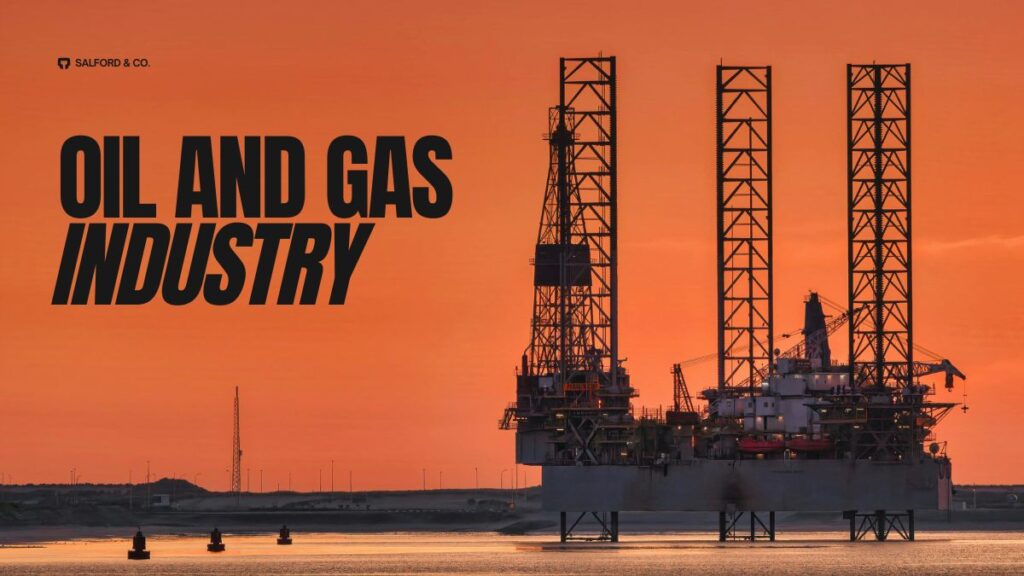
4. Oil Prices Jump on Supply Concerns
Crude oil prices experienced a significant rally as traders anticipated possible disruptions in global supply routes. Iran’s strategic position in global energy markets means that any instability can quickly affect pricing dynamics.
The surge in oil benefited energy stocks while increasing concerns about inflationary pressures. Rising oil prices often translate into higher transportation and manufacturing costs, potentially impacting consumer prices in the months ahead.
Investors tracking oil movements often refer to benchmarks such as Brent crude and West Texas Intermediate (WTI) for pricing indicators.
5. Safe-Haven Gold Gains Momentum
Gold prices climbed as investors sought refuge from uncertainty. The precious metal has historically served as a hedge during geopolitical crises and economic instability.
As equity markets fluctuated, capital flowed into gold-backed exchange-traded funds and physical bullion markets. This shift highlights the ongoing importance of diversification in investment strategies.
Gold’s appeal increases when volatility spikes, reinforcing its role as a portfolio stabilizer during turbulent periods.
6. Investor Sentiment Shifts Throughout the Trading Day
The trading session demonstrated how quickly investor sentiment can evolve. Early fears triggered risk-off behavior, but as the day progressed and no immediate escalation materialized, confidence gradually returned.
This intraday reversal reflects a broader pattern seen in modern markets, where algorithmic trading and rapid news dissemination accelerate price movements.
Understanding sentiment indicators can help traders anticipate short-term volatility while maintaining long-term investment discipline.
7. Impact on Global Markets
Markets outside the United States also reacted to the developments. European and Asian indices experienced mixed trading sessions, reflecting regional exposure to energy imports and geopolitical risk.
Emerging markets with heavy reliance on oil imports faced additional pressure due to rising crude prices. Currency fluctuations further complicated global trade outlooks.
The interconnected nature of global finance ensures that geopolitical events rarely remain localized in their impact.
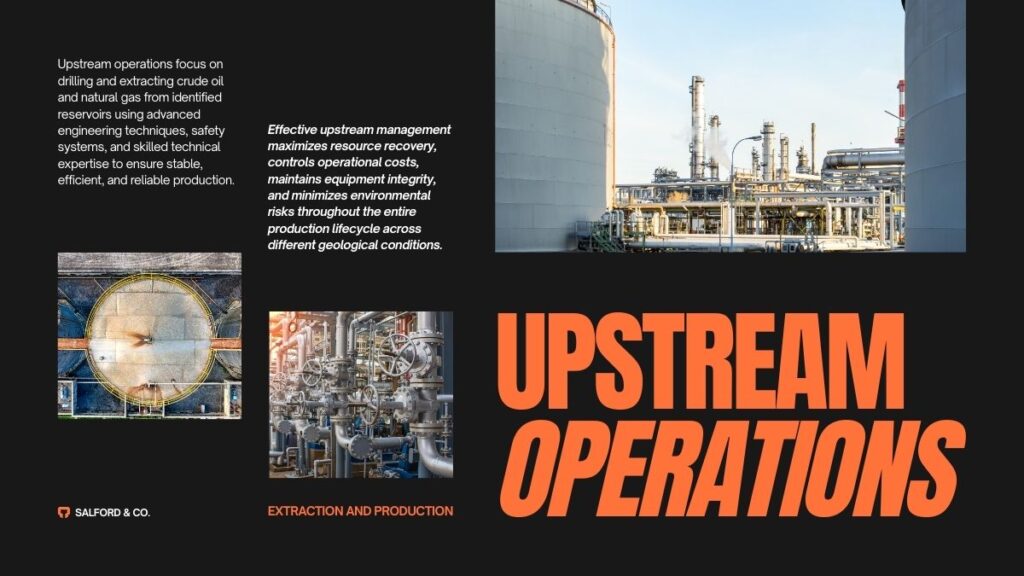
8. Energy Sector Leads the Charge
Energy stocks were among the strongest performers of the day. Companies involved in exploration, production, and refining benefited from higher oil prices.
Investors often rotate into the energy sector during periods of rising commodity prices, seeking to capitalize on improved profit margins. However, sustained gains depend on whether oil prices remain elevated or stabilize in coming sessions.
Energy market trends can significantly influence broader inflation expectations and central bank policy decisions.
9. Inflation Concerns Resurface
The jump in oil prices reignited discussions around inflation. Higher energy costs can ripple through the economy, affecting transportation, utilities, and consumer goods pricing.
Central banks monitor such developments carefully, as persistent inflation could influence interest rate decisions. Investors remain attentive to upcoming economic data releases that may clarify the broader inflation outlook.
Balancing growth expectations with inflation risks remains a key challenge for policymakers and market participants alike.
10. The Role of Safe-Haven Assets in Volatile Times
Beyond gold, investors often consider U.S. Treasury bonds and defensive stocks during uncertain periods. Diversification across asset classes helps mitigate portfolio risk when geopolitical events disrupt equity markets.
Today’s market action serves as a reminder that volatility can present both risks and opportunities. Experienced investors typically avoid emotional decisions, focusing instead on long-term strategy.
11. What Traders Are Watching Next
Market participants will continue monitoring developments in Iran and broader Middle East dynamics. Additionally, upcoming economic indicators and corporate earnings reports may influence market direction.
Traders are also watching energy inventory data and Federal Reserve commentary for clues about monetary policy. Any indication of sustained geopolitical tension could keep oil and gold prices elevated.
Staying informed through reliable financial news sources and official exchange updates remains essential for navigating uncertain markets.
12. Long-Term Outlook for Investors
While geopolitical events can trigger short-term volatility, long-term market trends are often driven by corporate earnings, innovation, and economic growth. The resilience shown by the Nasdaq and S&P 500 suggests underlying confidence in the U.S. economy.
Investors with diversified portfolios and disciplined strategies are generally better positioned to weather temporary disruptions. Market history demonstrates that periods of uncertainty frequently give way to recovery and growth over time.
Conclusion
Today’s market session highlighted the dynamic relationship between geopolitics and financial markets. Developments in Iran initially unsettled investors, driving oil and gold prices higher while pressuring equities. However, as the trading day progressed, confidence returned, enabling the Nasdaq and S&P 500 to close in positive territory.
Oil’s surge underscores the sensitivity of global energy markets to geopolitical risks, while gold’s gains reaffirm its status as a safe-haven asset. For investors, the key takeaway is the importance of diversification, informed decision-making, and a long-term perspective amid short-term volatility.
FAQs
1. Why did the stock market react to developments in Iran?
Geopolitical tensions can impact global stability and energy supply, leading investors to reassess risk exposure and adjust portfolios accordingly.
2. Why did oil prices increase?
Oil prices rose due to concerns about potential supply disruptions stemming from regional instability.
3. Why is gold considered a safe-haven asset?
Gold historically retains value during economic or political uncertainty, making it attractive during volatile periods.
4. How did the Nasdaq and S&P 500 turn positive?
After early losses, investors bought shares in technology and other sectors, driving a market rebound by the close.
5. What should investors watch moving forward?
Investors should monitor geopolitical updates, inflation data, central bank decisions, and energy market trends to anticipate potential market shifts.
Leave a Reply